AI-Powered Search and the Future of SEO in 2026: How Businesses Can Stay Visible
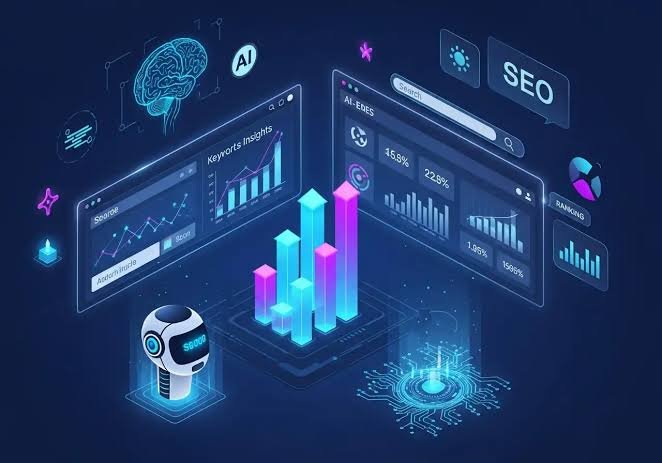
SEO still matters in AI search: crawlable, fast, genuinely helpful pages are what AI answers draw from.
Build topical authority around your core services instead of chasing isolated keywords.
Measure leads, conversions and branded searches, not just rankings.
Search engine optimization is entering a new era as artificial intelligence changes the way people discover information, products, brands, and services online. For years, SEO primarily focused on ranking webpages among traditional search results by targeting keywords, improving technical performance, earning backlinks, and publishing useful content.
Today, users increasingly expect search engines to provide direct, conversational answers rather than simply a list of links. Google’s AI Overviews and AI Mode are examples of this transformation, while consumers are also turning to generative AI platforms to research questions, compare products, discover businesses, and make purchase decisions.
SEO still matters in AI search
Google’s current guidance makes an important point: SEO has not become irrelevant because of AI search. The fundamental principles of SEO continue to support visibility in generative search experiences. Websites still need to be crawlable, indexable, technically sound, easy to navigate, and filled with helpful and reliable information. At the same time, businesses need to think beyond simply inserting keywords into articles. Content must:
demonstrate genuine expertise
answer real customer questions
provide original insights
satisfy search intent.
This creates an opportunity for businesses that are willing to invest in high-quality content rather than producing large volumes of generic articles. Google specifically recommends creating unique, valuable, non-commodity content rather than content that simply repeats information already available online.
Search is becoming a conversation
The evolution of search also means that marketers need to rethink the customer journey. A potential customer may no longer begin with a short keyword such as “digital marketing agency” and browse several websites. Instead, they may ask a conversational question such as “What digital marketing strategy should a small business use to generate leads?” or “Which SEO services are best for a new website?”
AI-powered search can interpret the context behind these questions and provide synthesized answers supported by multiple sources. This makes topical authority increasingly valuable.
Build topical authority, not isolated keywords
Businesses should build content ecosystems around their important areas of expertise rather than publishing isolated keyword-focused articles. For example, a digital marketing website could create comprehensive resources around SEO, SEM, social media marketing, email marketing, content marketing, conversion optimization, and analytics. Each main topic can then be supported by detailed guides, FAQs, case studies, service pages, comparison articles, and practical explanations.
Content should use clear headings, concise answers, relevant examples, descriptive internal links, and information that genuinely helps the reader make a decision. Multimedia can also strengthen the overall experience because search experiences increasingly surface different types of content, including images and videos.
The future of SEO is not about abandoning traditional optimization, but about combining technical excellence with authoritative, useful, human-centered content.
Importantly, marketers should not become obsessed with so-called “AI hacks” or attempt to manipulate AI systems with artificial formatting techniques. Google states that there are no special technical requirements or separate markup necessary to appear in AI Overviews or AI Mode; existing SEO fundamentals remain the foundation.
How to adapt: a practical checklist
Adapting to AI-powered search should become part of a broader digital marketing strategy rather than a completely separate activity:
Audit your existing content and identify pages that are outdated, repetitive, thin, or disconnected from customer intent.
Answer the questions customers actually ask throughout the buying journey, from awareness and research to comparison and purchase.
Strengthen internal linking and page experience, and make sure important information is available in text.
Keep your business information accurate everywhere it appears.
Monitor your visibility through search analytics and Search Console.
Measure what actually matters
Marketers should measure more than traditional rankings. Organic traffic, branded searches, qualified leads, conversions, engagement, assisted conversions, and visibility across emerging AI search experiences provide a more complete picture of performance. The biggest opportunity is to build a recognizable digital authority that search engines and AI systems can confidently associate with a particular subject.
AI is changing how people search, but it does not eliminate the need for valuable information. In fact, as automated answers become more common, trustworthy and distinctive content may become even more important. The future of SEO belongs to businesses that stop thinking only about ranking for keywords and start thinking about becoming the most useful answer to the customer’s problem.
Sources: Google Search Central, AI features and your website · Creating helpful, reliable, people-first content
Want your business to be the most useful answer?
I help businesses in Kozhikode and online get found on search, with SEO, content and websites that work together. The first conversation is free.